


narrow it down
The Best Microfiber Towels for Every Purpose


How To Wash Microfiber Towels
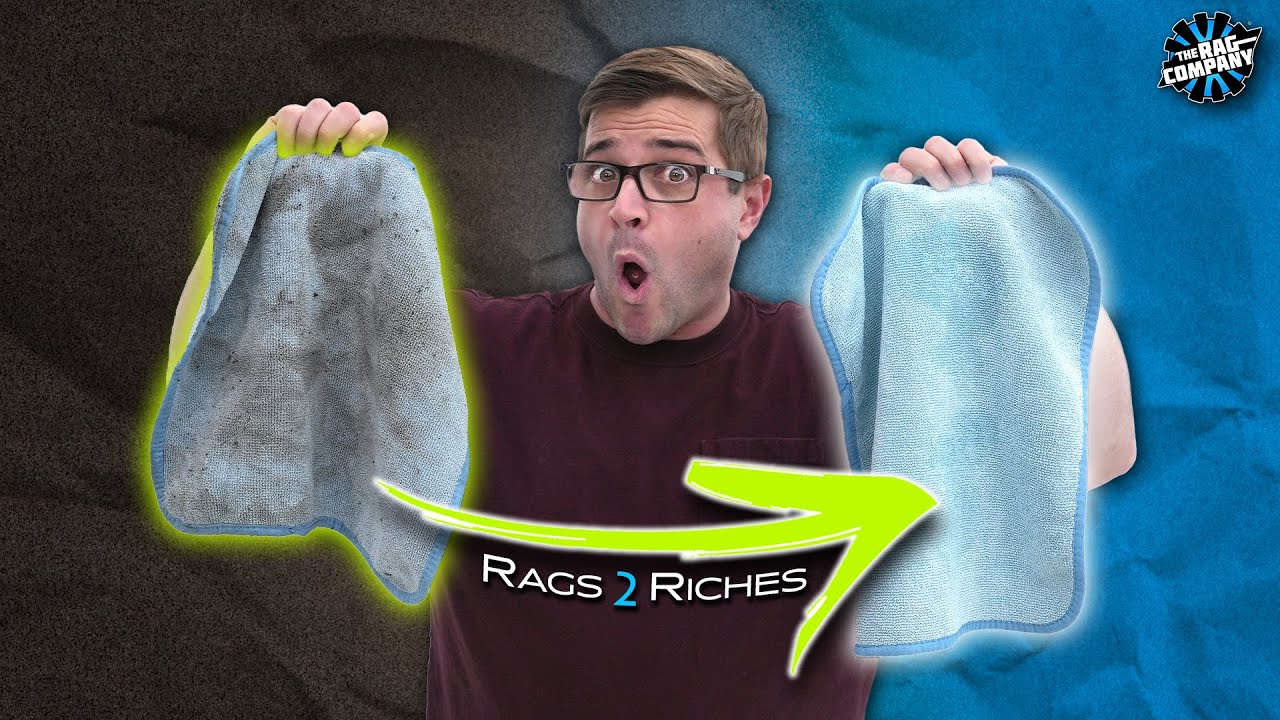
Keep your towels performing like new with proper care. Always wash separately from other fabrics and avoid fabric softeners or bleach. For best results, use Rags to Riches— the market-leading microfiber detergent designed to deep clean fibers, restore absorbency, and extend the life of your investment. Learn more about how to wash microfiber towels.
Faqs
Are microfiber towels good for detailing a car?
Yes — microfiber is the standard for auto detailing because its ultra-fine split fibers lift and trap dirt and grit instead of dragging it across the paint the way a cotton towel can. They're also far more absorbent than cotton, often holding several times their weight in water, and they're reusable for hundreds of washes if laundered correctly. For exterior drying, interior wiping, and glass, a quality microfiber towel outperforms cotton, paper towels, or chamois in almost every category.
What are the disadvantages of using microfiber towels?
Microfiber has real trade-offs worth knowing before you buy. It needs different laundry care than regular towels — no fabric softener, no high heat, and ideally washed separately from cotton or lint-producing fabrics, since lint clogs the split fibers and kills their cleaning power. Cheap, low-pile microfiber can also scratch paint if it picks up grit and isn't rinsed out during use. And the upfront cost per towel is higher than a shop rag. The trade-off is longevity: a well-made microfiber towel, washed properly (we recommend a dedicated detergent like Rags to Riches), typically outlasts cheap alternatives many times over.
Why can't you put microfiber towels in the dryer?
High heat and dryer sheets are the two things that ruin microfiber. Dryer sheets and fabric softener coat the fibers in a waxy residue that fills in the microscopic gaps responsible for microfiber's absorbency and cleaning power — once coated, a towel can't be fully restored. High heat can also melt or mat the synthetic fibers, permanently reducing softness and absorbency. Air drying is safest; if you must machine dry, use low or no heat and skip the dryer sheet entirely.
What is the best brand of microfiber towels?
The honest answer is that no single spec makes a “best” towel — what matters is GSM (pile weight/density), fiber blend (a 70/30 polyester-to-polyamide ratio is generally considered ideal for softness and absorbency), and construction quality like edgeless or scratch-safe suede-banded edges, which prevent the stitched border from marring paint. The Rag Company builds every towel around those three factors and tests them with professional detailers before they ever go up for sale — which is part of why we're rated 4.9/5 across more than 5,000 customer reviews.


